How to Start a Vegetable Garden in North Texas
Growing my own food is one of the great joys of my life. My backyard garden supplies me with fresh…
The squash vine borer (Melittia cucurbitae) is day-flying moth with orange-and-black markings that lays eggs at the base of cucurbit plants (squash, pumpkins) in early summer. Larvae bore into stems, causing sudden wilting. If damage is bad enough, it can kill a large plant overnight.
The spring growing season starts NOW! This week, we’re celebrating the approaching spring season with classes for food lovers who…
Good morning! Tomorrow, February 7, at 10:00 am, I am teaching Gardening 101 live online. This class is designed for anyone who is new to gardening or new to the North Texas area and feeling challenged by our growing conditions. This class will cover: Why generic gardening advice doesn’t work here My simple system for a garden that “wows” The tools and supplies I swear by The easiest plants to grow here Where to find native and adapted plants Class includes a 34-page printable workbook for…
Black oil sunflower seeds are the gold standard for filling feeders. They’re easy to find and attract a wide number of songbirds. But if your feeders only offer whole sunflower seeds, you might be missing out on many interesting bird species.
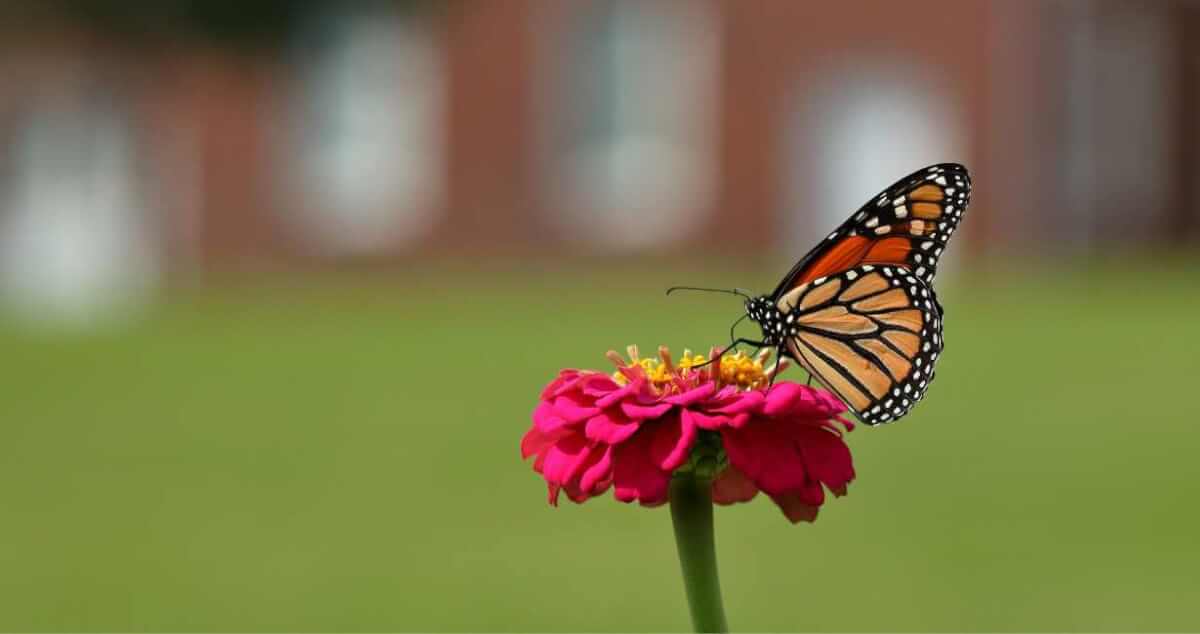
Zinnias are one of the easiest and most beautiful flowers you can grow in North Texas. They’re versatile as both ornamental landscape plants and cut flowers for making bouquets.
Indoor seed-starting is one of the secrets to growing a dream garden in North Texas. Not only does starting your own seeds save you a ton of money, but it also allows you to grow unique varieties you can’t find in nurseries. Plus, starting seeds indoors means you’ll have transplants ready for planting at the perfect time, which is critical here in North Texas.
Cold weather has a way of making even experienced gardeners second-guess everything. When rain turns to snow and the forecast dips into the teens, it’s easy to assume disaster is imminent. But in North Texas, brief winter cold snaps are not only normal, they’re something our gardens are already built to handle.
There are two prime growing seasons in North Texas: spring and fall. Here are two helpful schedules for what and when to plant for a spring harvest. The first schedule is organized by date, the second schedule is organized by crop.
Here in North Texas, it’s important to get plants in the ground as soon as possible after the last frost. This gives plants enough time to mature and produce before triple-digit heat arrives. To get a jump on the growing season and produce large quantities of seedlings at a fraction of the cost, we need to start seeds for flowers and vegetables indoors.