Not too much is happening this month in our gardens. If we’re lucky, the first freeze will hold off long enough so that we can keep harvesting veggies like peppers, tomatoes, and eggplants.
Here’s a run down of what you can do in your garden this month:
Vegetables
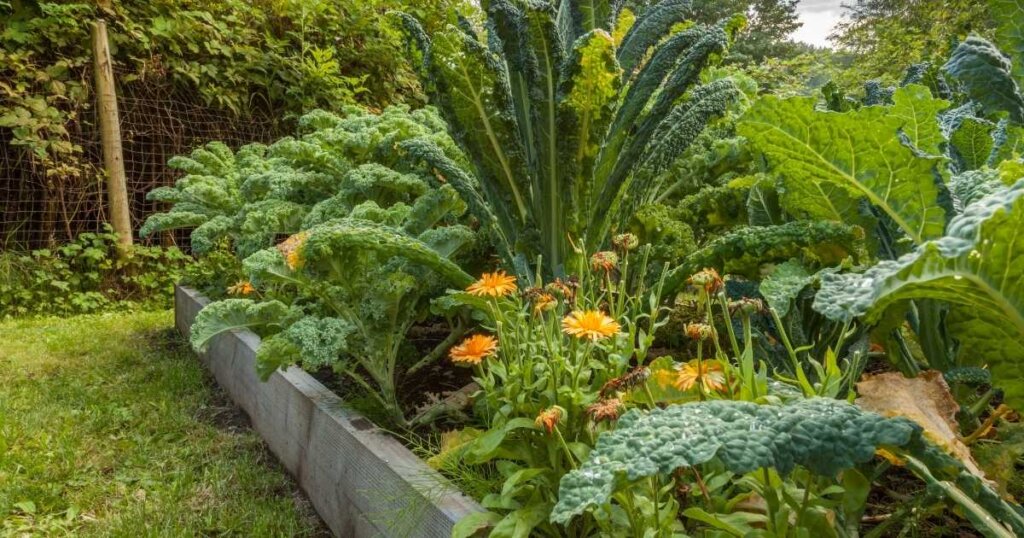
Soil temperatures are too cold to start anything by direct-seed, but you can transplant seedlings of lettuce, kale, collard greens, mustard greens, Swiss chard, and spinach throughout the winter. Either pick up seedlings at a local nursery, or start your own by seed indoors.
Flowers
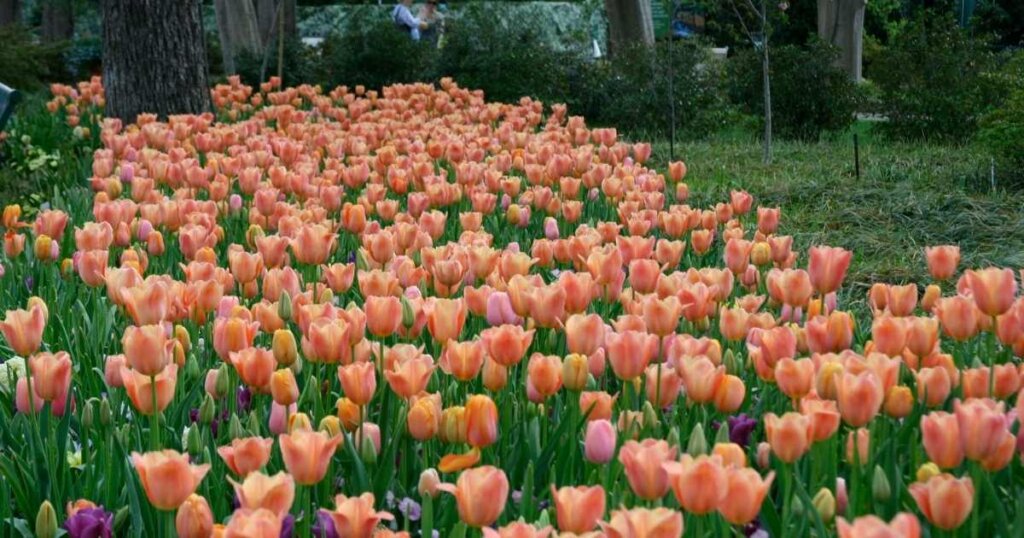
The best time to plant spring-blooming bulbs like tulips, daffodils, hyacinths, and alliums in North Texas is anytime between Thanksgiving and Christmas. Plant bulbs to a depth 3x their height.
Annual Ornamentals
Pansies, violas, dianthus, ornamental cabbage and kale, alyssum, and snapdragons are some of the ornamental annuals that can withstand light freezes, and will grow through the winter.
General Tasks
- Following the first hard freeze, pull out all summer and fall vegetables that didn’t survive and compost. (Don’t add any plants with pest and disease issues into compost pile, however.
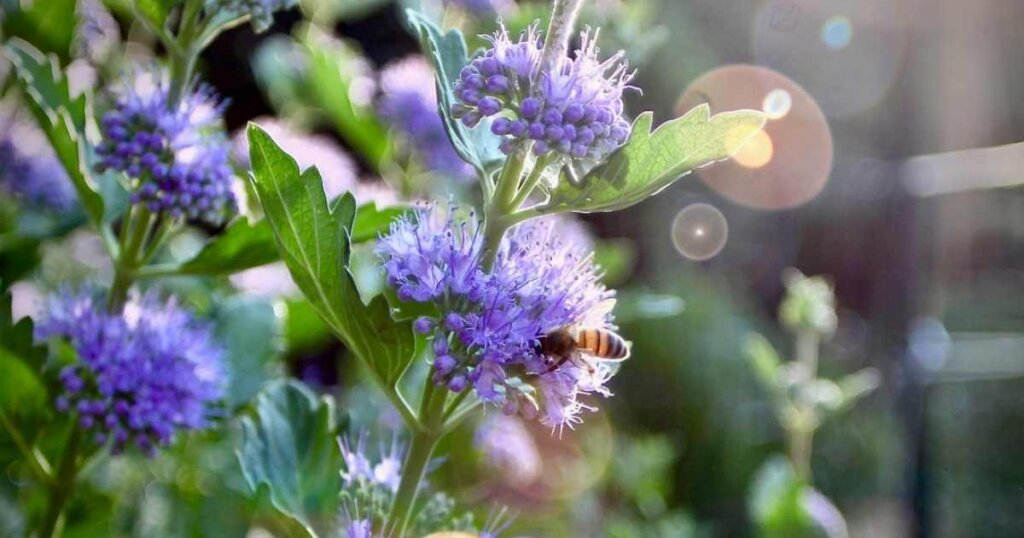
- After first freeze, herbacious perennials can either be left in place for winter interest, or cut back to the ground. Woody perennials (caryopteris, salvia greggii) should be left in place, and pruned back in late winter.
- Continue planting trees and shrubs.
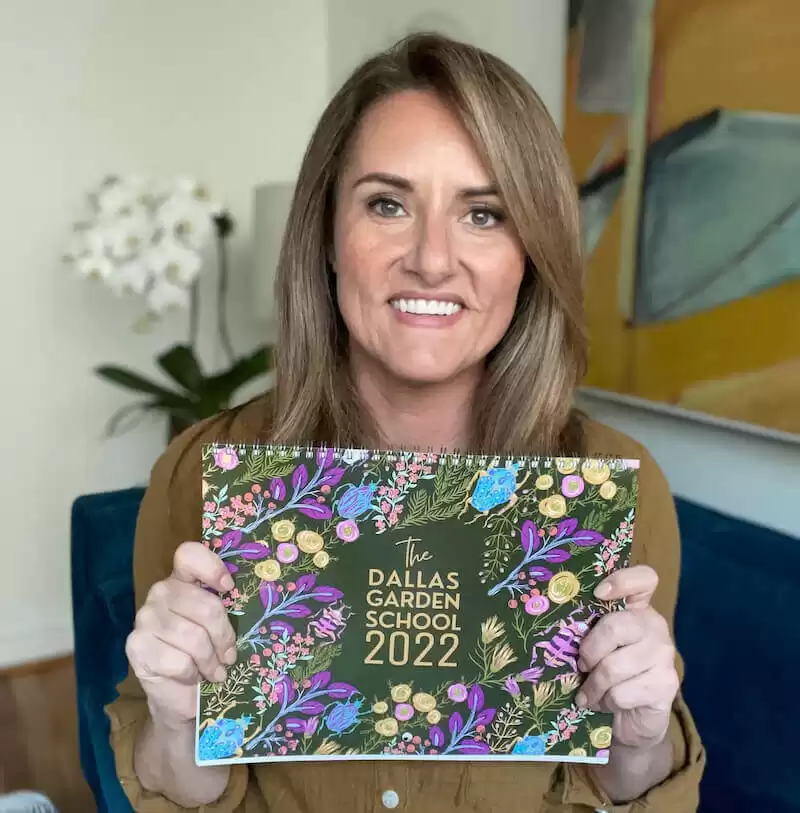
The last planting calendar you'll ever need. The 2022 Dallas Garden School calendar features inspirational garden photography and planting dates for vegetables, flowers, and annuals, plus Callie's helpful notes and reminders. Spiral-bound on glossy paper.
- New Plant I’m Testing: Kitchen Minis™ Bonsai Basil - April 24, 2024
- Resilient perennials I’m adding to my new landscape - February 28, 2024
- 5 Ways to Enjoy Beautiful Fall Weather in DFW - October 18, 2023