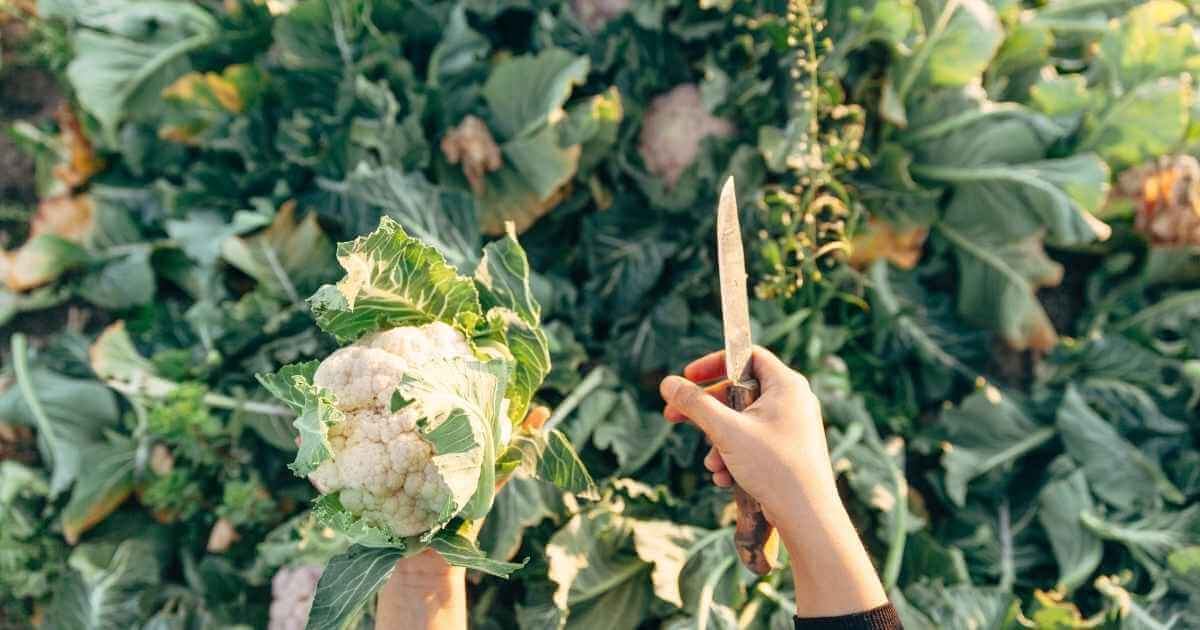
Did you know that fall is the best season for growing vegetables in North Texas? It’s true. Vegetables perform their best when days are warm and nights are cool. If you struggled to grow a vegetable garden this summer, don’t fret. You have an entire season to make up for it!
Check out our helpful planting schedules below for North Texas fall planting dates. We’ve created two schedules. One is organized by date, and one is organized by crop.
Click to print
But first…want a handy printable version?

Click here to access the printable fall planting guide organized by month:
North Texas Fall Planting Schedule by Date
| DATE | SEED | TRANSPLANT |
| May 1 – May 14 | Indoors: Tomatoes | |
| May 1 – July 25 | Cantaloupe, Watermelon Indoors: Eggplant, Peppers | Eggplant, Peppers |
| July 1 – July 15 | Tomatoes | |
| July 1 – August 15 | Black-eyed peas, Southern peas, Winter squash | |
| July 15 – August 15 | Okra, Pumpkin | |
| July 25 – August 25 | Indoors: Broccoli, Brussel sprouts, Cabbage, Cauliflower, Mustard greens, Spinach, Swiss Chard Outdoors: Corn, Cucumbers, Snap pole beans, Sweet corn, Zucchini | |
| August 1 – September 15 | Pinto beans, Bush beans | |
| August 10 – September 30 | Chinese cabbage, Swiss chard | Chinese cabbage |
| August 25 – October 15 | Indoors: Swiss Chard, Mustard Greens, Collard greens, Lettuce, Kale, Spinach Outdoors: Radish, Turnips, Collard greens, Lettuce, Kale, Spinach, Turnips | |
| August 25- | ||
| September 1 – 15 | English/French peas | |
| September 1 – 30 | Beets, Carrots, Parsnips | |
| September 1 – November 30 | Broccoli, Brussels sprouts, Cabbage, Cauliflower, Lettuce, Greens | |
| September 10 – October 31 | Leeks, Onion | Leeks |
| September 15 – Through Winter | Collard greens, Kale, Mustard greens, Swiss chard, Spinach | |
| October 1 – 31 | Garlic cloves | |
North Texas Fall Planting Schedule by Crop
| CROP | SEED | TRANSPLANT |
| Melons | May 1 – July 25 | |
| Tomato | June 1 (indoors) | June 15 – July 15 |
| Pepper | May 1 – July 25 | |
| Eggplant | May 1 – July 25 | May 1 – July 25 |
| Southern Peas | July 1 – August 15 | |
| Winter squash | July 1 – August 10 | July 1 – August 10 |
| Okra | July 15 – August 15 | July 15 – August 15 |
| Pumpkin, small | July 15 – August 15 | July 15 – August 15 |
| Potato, Irish (seed pieces) | July 25 – August 10 | |
| Beans, pole | August 1 – August 25 | |
| Broccoli | August 1 – August 25 (indoors) August 25 – October 15 (outdoors) | September 1 – November 30 |
| Brussels sprouts | August 1 – August 25 (Indoors) August 25 – October 15 (outdoors) | September 1 – November 30 |
| Cabbage | August 1 – August 25 (indoors) August 25 – October 15 (outdoors) | September 1 – November 30 |
| Cauliflower | August 1 – August 25 (indoors) August 25 – October 15 (outdoors) | September 1 – November 30 |
| Corn, sweet | August 1 – August 25 | |
| Cucumber | September 1 – 15 | August 1 – August 15 |
| Squash, summer | August 1 – August 25 | September 1 – 15 |
| Beans, bush | August 1 – September 15 | |
| Chard, Swiss | August 10 – September 30 | September 15 through winter |
| Greens (Collard, Mustard) | August 1 – August 25 (indoors) | September 15 through winter |
| Spinach | August 1 – August 25 (indoors) | September 15 through winter |
| Lettuce | August 25 – October 15 | September 1 – November 30 |
| Carrot | September 1 – September 30 | |
| Kale | August 25 – October 15 | September 15 through winter |
| Turnip | August 25 – October 15 | |
| Beets | September 1 – 30 | |
| English/ French Peas | September 1 – 15 | |
| Leeks | September 10 – October 31 | September 10 – October 31 |
| Onions | September 10 – October 31 | |
| Radish | August 25 – October 15 | |
| Garlic Cloves | October 1 – 31 |
For more information about starting fall vegetables from seed:
How To Start Fall Tomatoes By Seed
Starting Seeds Indoors: Essential Supplies
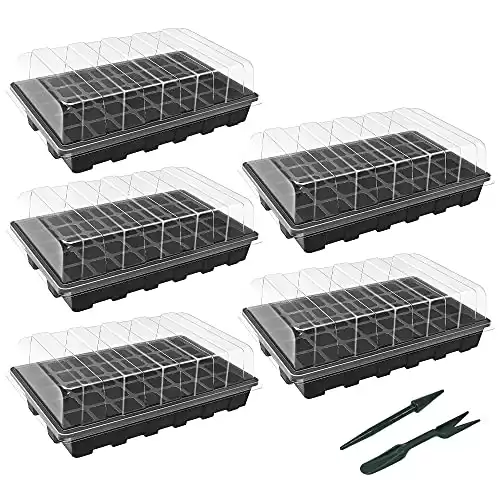
Gardzen Seed Tray Kits
Buy Now
$22.99 ($4.60 / Count)
The Dallas Garden earns a commission if you click this link and make a purchase at no additional cost to you.
03/09/2024 03:49 am GMT
Founder of The Dallas Garden School, Callie is an expert garden educator with 17 years of personal and professional gardening experience. She specializes in growing food, small-space gardening, managing community gardens, and plant propagation. She has an MBA from Southern Methodist University, a bachelor's degree from Skidmore College, and served as a horticulture intern for the Dallas Arboretum & Botanical Gardens. Callie is a member of the Native Plant Society of Texas, The Herb Society of America, the National Garden Bureau, and is a Certified Texas Master Gardener.
Latest posts by Callie Works-Leary (see all)
- New Plant I’m Testing: Kitchen Minis™ Bonsai Basil - April 24, 2024
- Resilient Perennials I’m Adding to My New Landscape - February 28, 2024
- 5 Ways to Enjoy Beautiful Fall Weather in DFW - October 18, 2023