
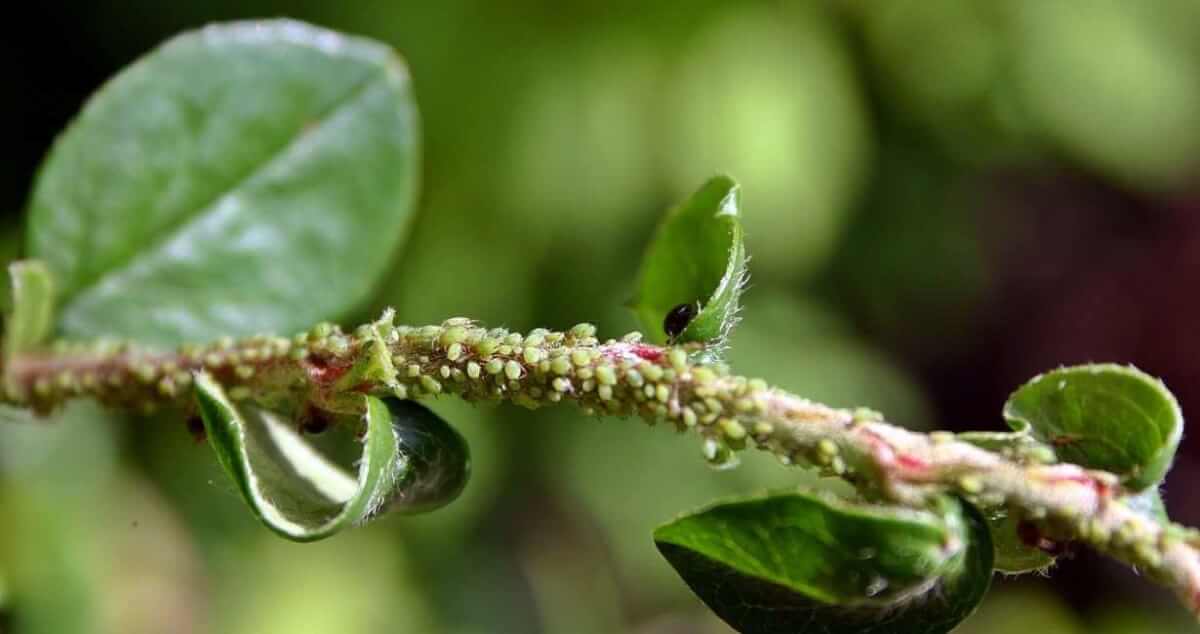
Win The Battle Against Aphids
Aphids are a nuisance in the garden, but luckily there are some easy ways to deal with them that don’t involve harsh chemicals. Before we get to those, let’s talk about why they showed up in the first place.
Aphids are a nuisance in the garden, but luckily there are some easy ways to deal with them that don’t involve harsh chemicals. Before we get to those, let’s talk about why they showed up in the first place.
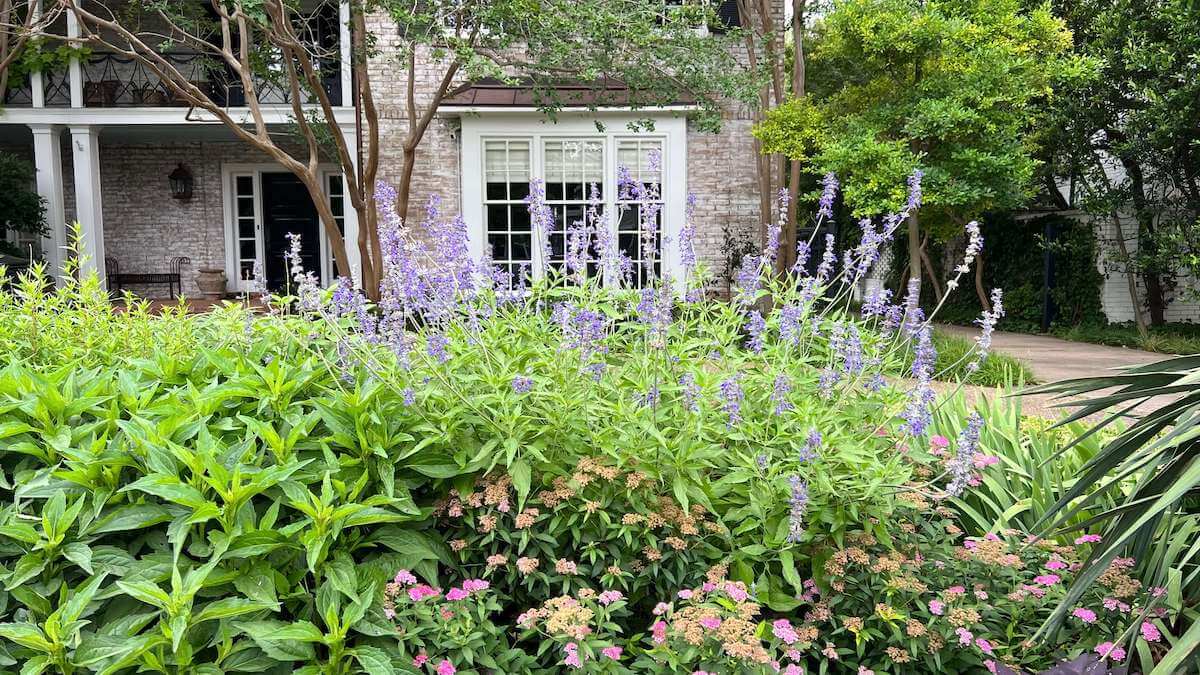
We are pleased to announce our newest class, Native Plant Design: Blending Beauty and Function. The class will take place on Saturday, June 4, 2022,…
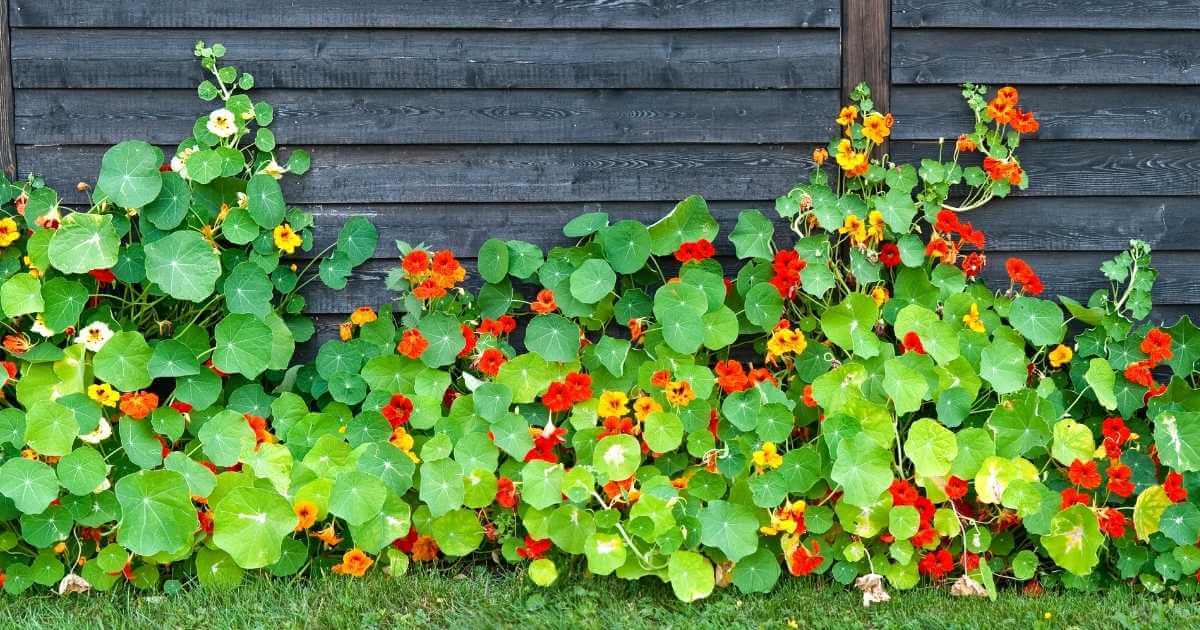
Nasturtiums are an old-fashioned favorite in the flower garden, but many North Texas gardeners struggle to grow them successfully. Luckily, any gardener can overcome the challenge of growing naturtiums if they plant them at the right time. Here’s a quick guide to growing nasturtiums in North Texas.
Now that our gardens are taking a winter’s nap, it’s time to start thinking about the garden year ahead. Especially because spring seed-starting is just…
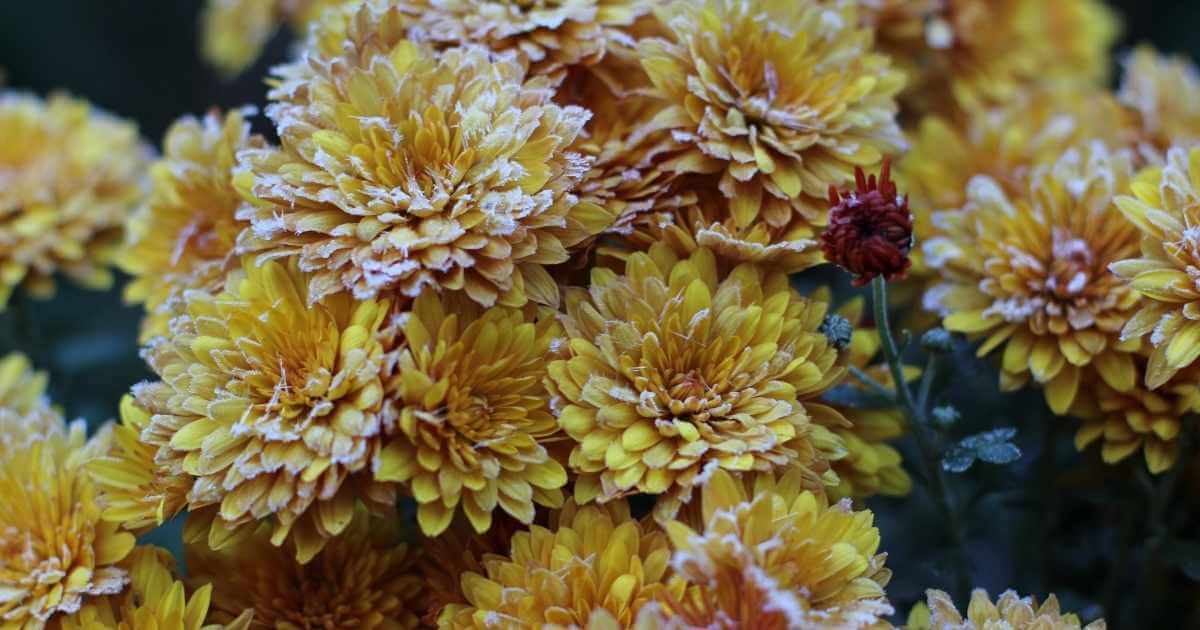
Not too much is happening this month in our gardens. If we’re lucky, the first freeze will hold off long enough so that we can…
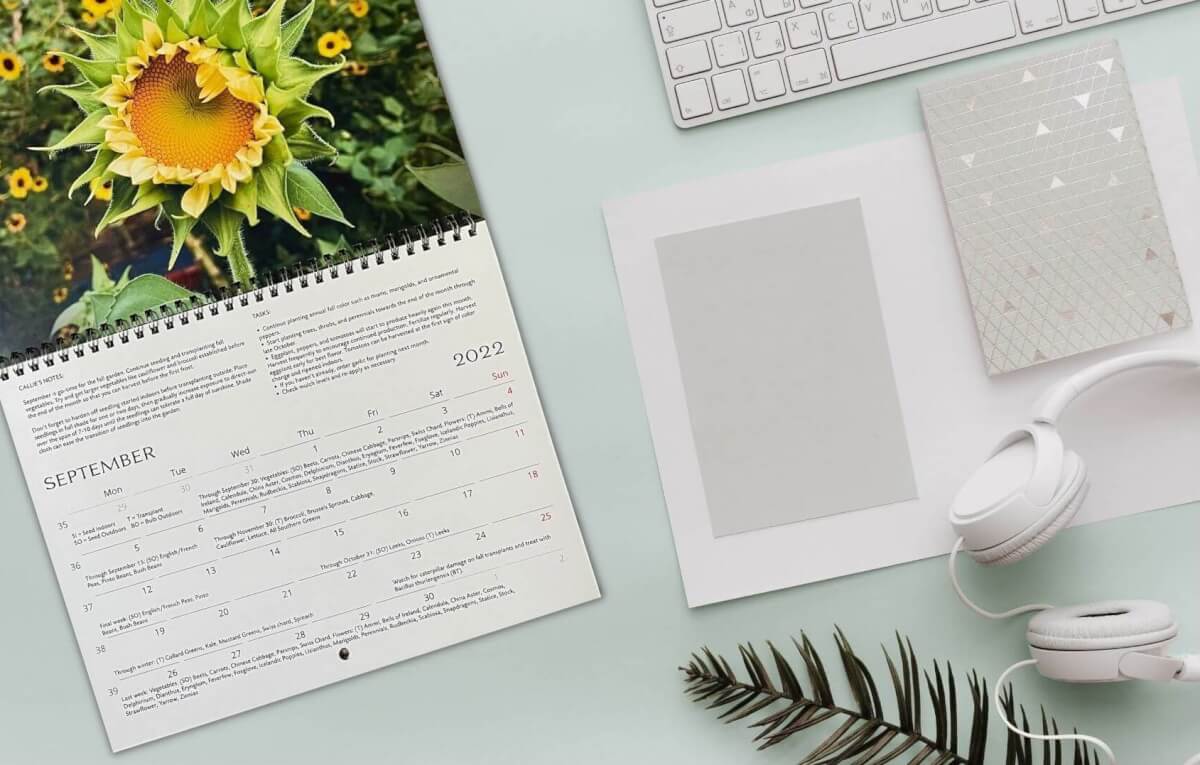
The Dallas Garden School was founded to create a digital destination where North Texans could access area-specific gardening information delivered in a fresh, exciting, and…
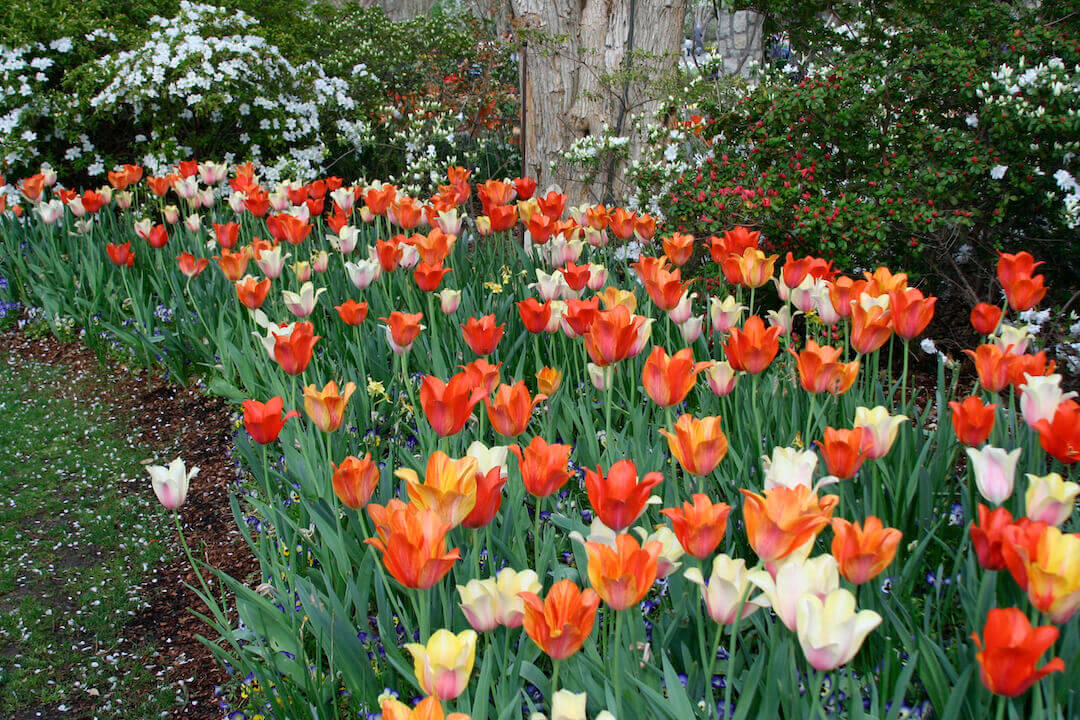
Tulips are one of the most popular annual flowers grown in North Texas landscapes. Despite their popularity, tulips can be challenging to grow here. The key to dramatic displays – like those at the Arboretum’s annual 500,000-bulb celebration – is proper timing and variety selection.
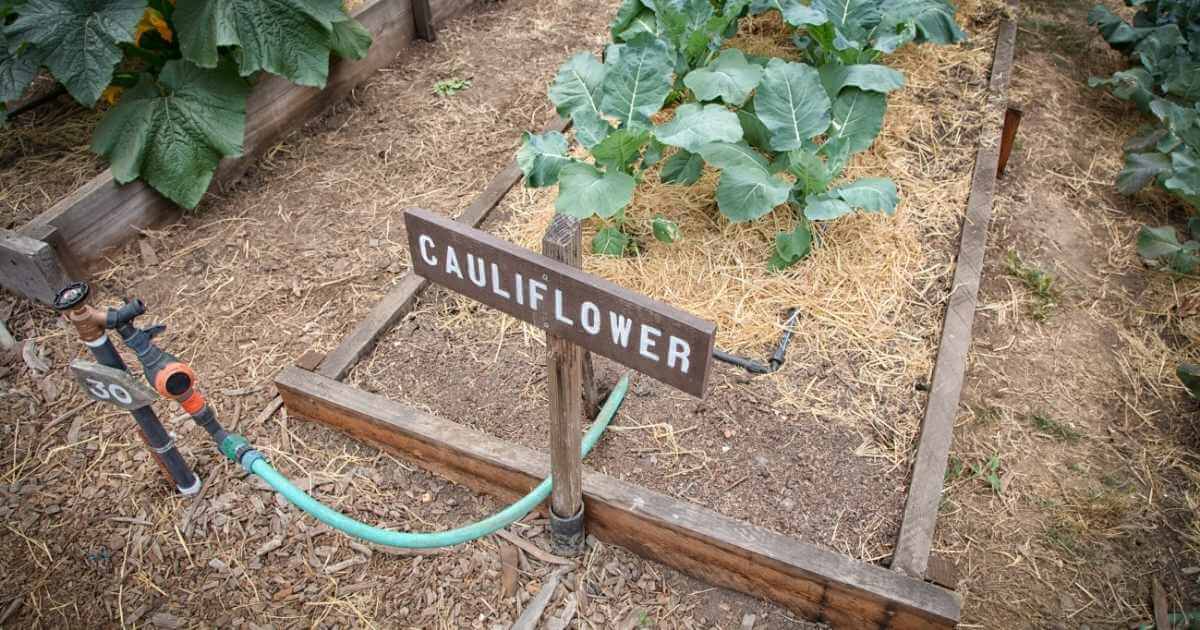
The fall gardening season is now in full swing. Hopefully you’re getting ready to transplant those cauliflower and broccoli seedlings that you started indoors last…
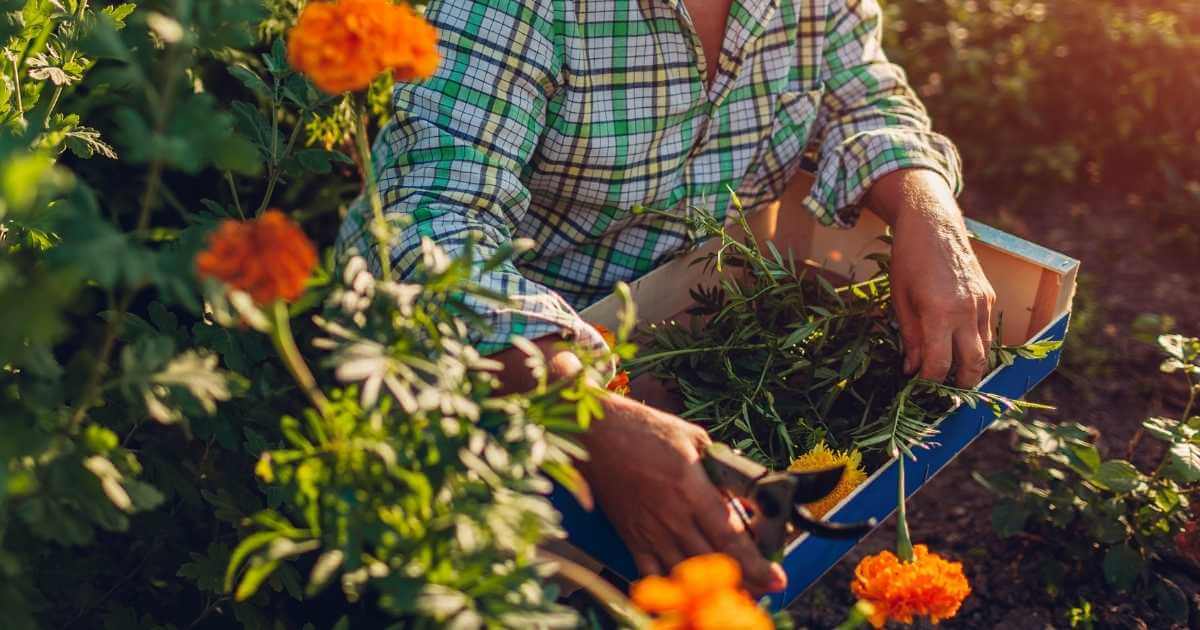
Hot enough for ya? I like to call August the “make or break” month for new gardeners. This is when first-timers either run for the hills (and the A/C) or fully embrace the sweat and stick it out. If you’re sticking it out right now, a big congrats. You just earned yourself a fast-pass to garden nirvana in the fall.
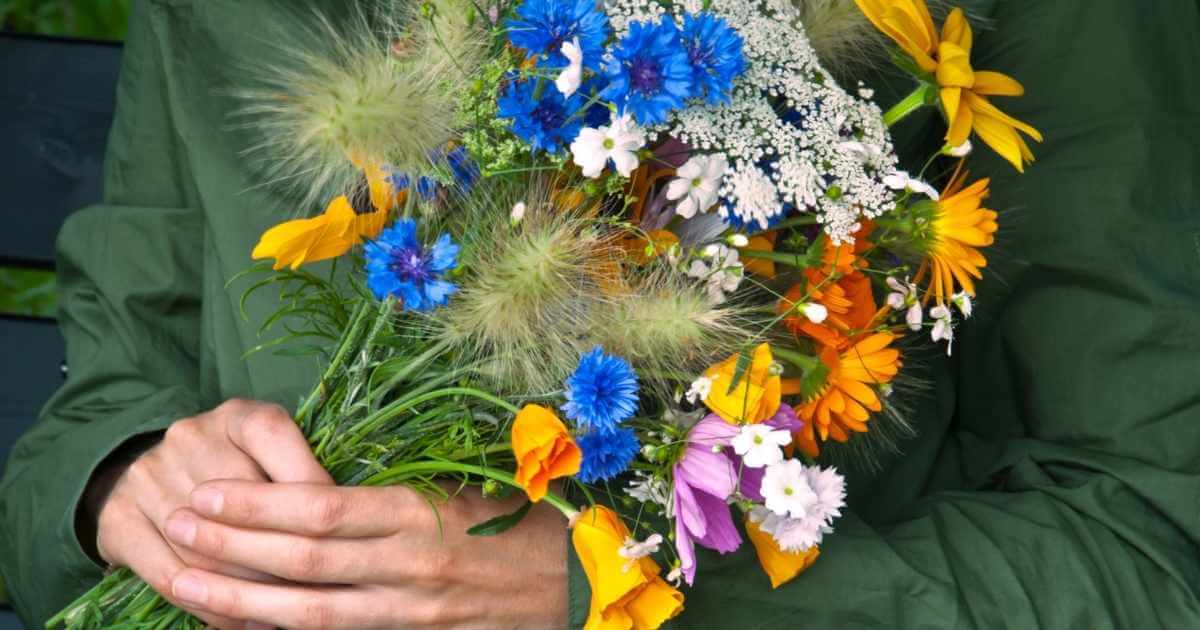
Early to mid-July can be a tough time of year for gardening in North Texas because there’s not much to do besides weeding, watering, and…