Disclosure: Some of the links below are affiliate links. If you click through and make a purchase, we receive a small commission. This allows us to continue to deliver valuable, free content to North Texas gardeners. Thank you for your support!
What to do in your North Texas garden in early September:
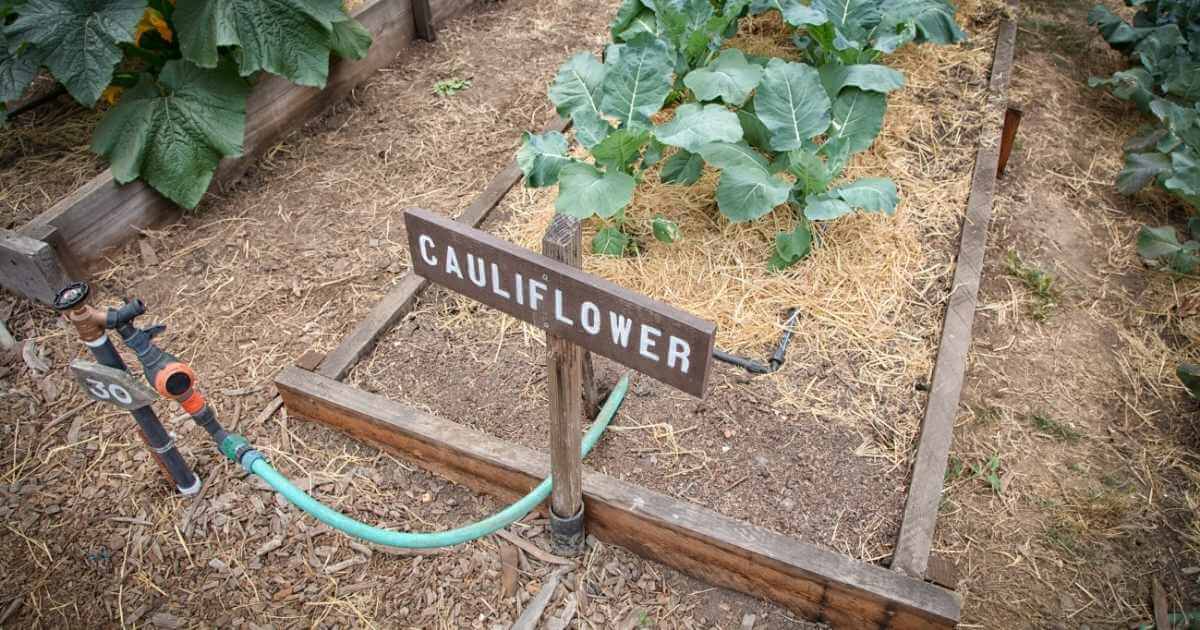
- Direct-sow fall veggies. Plant kale, spinach, lettuce, radishes, beets, bok choy, cabbage, greens, carrots, turnips, and parsnips. Transplant seedlings of broccoli, cauliflower, and brussels sprouts. These cole crops prefer to be transplanted instead of started by seed.
- Protect fall veggie transplants with
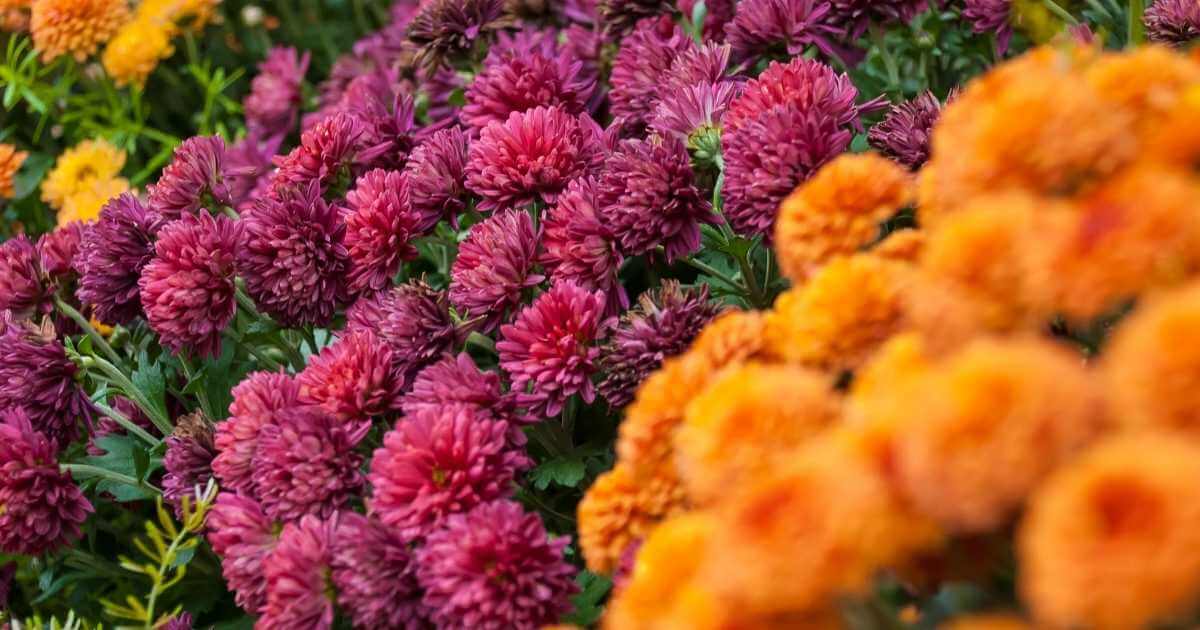
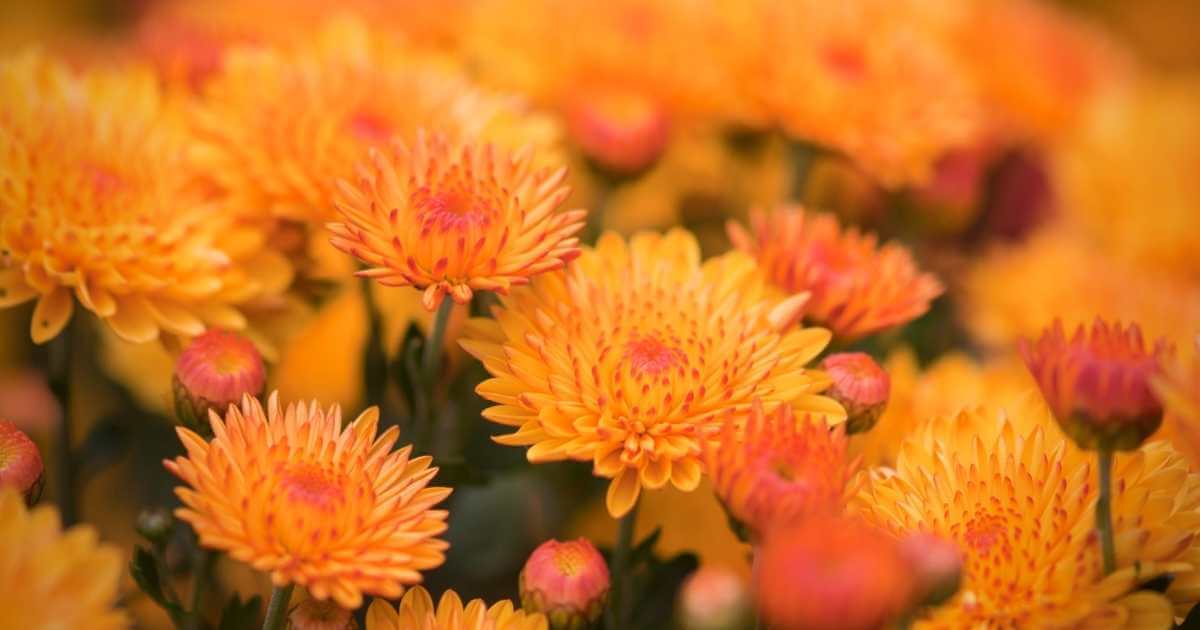
shade cloth if a heatwave is expected. September temperatures can fluctuate wildly. Keep transplants and seed beds well-watered. Always water in the morning. Waiting until evening puts plants through unnecessary stress. - Refresh containers and beds with cool weather annuals. Replace summer annuals with petunia, calabrachoa, marigold, ornamental peppers, celosia, mums, asters, or compact bedding
zinnias like the Profusion series. - Plant wildflower seeds. Mow grass in the area as short as possible and rake the top inch of soil. Mix the seeds into sand or potting soil, and broadcast the seeds over the mowed area. Press the seeds into the soil by walking over the area. Keep area well-watered until established and consider applying a balanced
fertilizer to the area. - Cut back spent blooms. Encourage a flush of fall flowers by deadheading spent blooms from flowering shrubs, trees, and perennials. Be careful not to cut back too much or plants might not recover enough before winter.
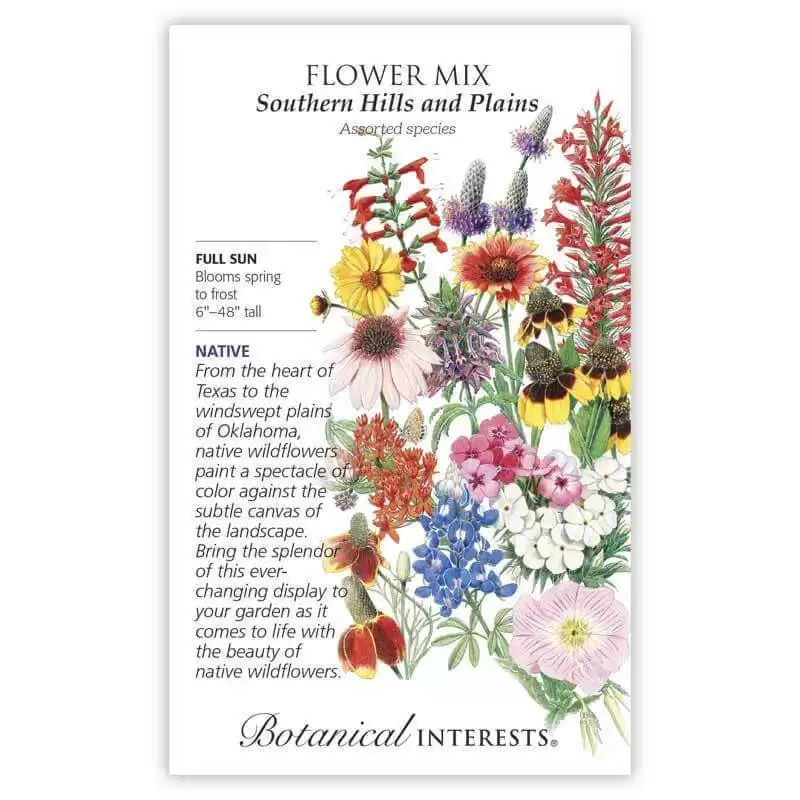
Southern Plains Wildflower Seed Mix
Buy Now
$5.59
The ideal blend of seeds for a year-long wildflower show in your North Texas garden. Mix includes Texas Bluebonnet, Annual Phlox, Lance-leaved Coreopsis, Purple Coneflower, Indian Blanket, Scarlet Sage, Butterfly Flower, Purple Prairie Clover, Standing Cypress, Clasping Coneflower, Lemon Mint, Dwarf Red Coneflower, and Showy Evening Primrose.
The Dallas Garden earns a commission if you click this link and make a purchase at no additional cost to you.
Founder of The Dallas Garden School, Callie is an expert garden educator with 17 years of personal and professional gardening experience. She specializes in growing food, small-space gardening, managing community gardens, and plant propagation. She has an MBA from Southern Methodist University, a bachelor's degree from Skidmore College, and served as a horticulture intern for the Dallas Arboretum & Botanical Gardens. Callie is a member of the Native Plant Society of Texas, The Herb Society of America, the National Garden Bureau, and is a Certified Texas Master Gardener.
Latest posts by Callie Works-Leary (see all)
- New Plant I’m Testing: Kitchen Minis™ Bonsai Basil - April 24, 2024
- Resilient Perennials I’m Adding to My New Landscape - February 28, 2024
- 5 Ways to Enjoy Beautiful Fall Weather in DFW - October 18, 2023